The Window Knows Enough: Seven Days Without the Hourly Forecast
Photo: Sofina Rise, CC BY-SA 4.0, via Wikimedia Commons
There is a particular kind of November morning that begins with a thumb hovering over a weather app. Not because you are about to climb a mountain, but because you are about to walk to the bus stop and you want to know whether the next ninety minutes will be merely grim or properly wet. I know this morning well. For years, I have started the day by checking the hourly forecast, then the radar, then the yellow warnings, then the hourly forecast again, as if the sky might have changed its mind in the time it took to boil the kettle.
So I stopped. For seven days in the second week of November, I deleted the app from my home screen, ignored the browser bookmark and refused to ask my phone what the weather was doing. The rules were simple: one look out of the window in the morning, one sensible layer, one plan for getting wet. Nothing else. This is not a story about embracing the elements or becoming the sort of person who swims in reservoirs at dawn. It is a story about what happens when you stop monitoring the day and start meeting it.
The first check is the hardest
The first morning was genuinely uncomfortable. I woke up, reached for my phone, and found myself opening and closing the same empty screen like a man checking a pocket for keys he knows are not there. The forecast had become part of the routine: a small ritual of reassurance before the day properly started. Without it, I felt underinformed. Undressed, almost.
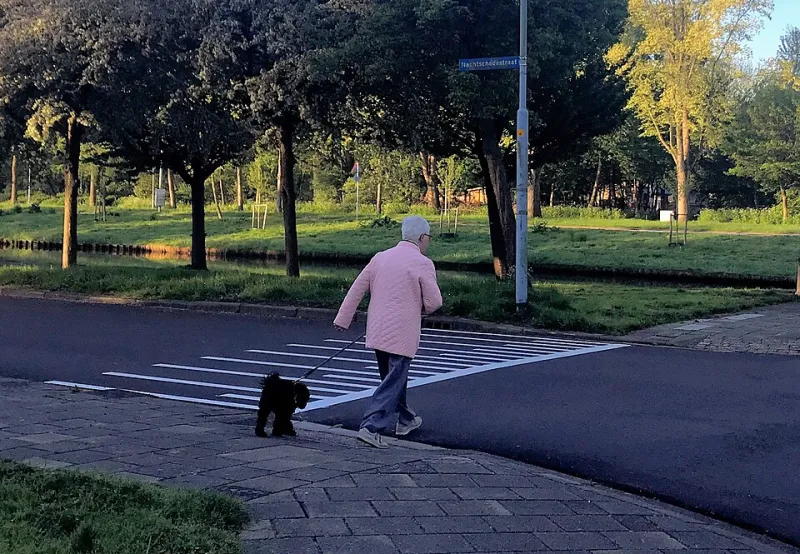
Then I looked out of the window. It was grey, breezy and dry. The pavement was wet from overnight rain. A woman was walking past with a folded umbrella and no hood. That was enough information to get me out of the door in a coat and a scarf, with a spare bag in my rucksack in case the sky changed its mind.
It is worth being honest about what the hourly forecast actually gives you. Not certainty, for a start. A percentage chance of rain is not a promise. What it gives you is a feeling of control, and a reason to keep checking. That is the low-grade avoidance bit. You are not preparing for the day; you are delaying it. You are standing at the window of your own life, refreshing the radar instead of putting your shoes on.
What the radar actually feeds
By day two, I noticed something else. The forecast had been making me slightly cross. Not at the weather itself, but at the gap between what it promised and what actually happened. A yellow warning for rain that turned into a misty afternoon. A dry window that delivered a soaking. The app is not lying; it is doing its best with a chaotic atmosphere. But I was treating it like a contract, and then feeling vaguely let down when the sky breached the terms.
Sisu is not stubbornness. It is not pretending you are not cold, or that wet socks are a character-building experience. It is the quiet decision to meet the day as it is, rather than the day you were promised. Constant checking keeps you in the promised version of the day. Looking out of the window puts you in the actual one.
One look, one layer, one plan
The routine that emerged was almost embarrassingly simple. One look: open the curtain properly, not just a squint through the gap. Check the pavement, the sky, the trees, the people already out. One layer: choose the coat that suits the likeliest version of the next few hours, not the worst-case scenario. If it is cold and dry, wear the warm coat and carry the lightweight waterproof folded in the bag. If it is already raining, wear the waterproof and stop pretending you are above it. One plan: decide now how you will get wet if it happens. Will you walk fast and accept damp trousers? Will you take the bus for the last stop? Will you keep a towel in the car, or a spare pair of socks in the desk drawer?
The plan is the important bit. Most of the misery of November weather is not the rain itself. It is the surprise. It is arriving at work with wet shoulders and no way to dry them, or standing at a bus stop with no hood and a growing sense of injustice. A small plan removes the injustice. You are not a victim of the drizzle; you are a person with a towel and a sensible bag.
Getting wet on purpose
On Thursday, I got properly caught out. I had looked out of the window at half seven, seen grey but dry, and chosen the wrong coat. By ten, the sky had opened over the ring road and I was walking into a headwind that turned my umbrella inside out. My first instinct was to check the app and see how long it would last. My second instinct, the better one, was to laugh, put my head down and keep going.
That is not heroism. It is just the difference between fighting the day and getting on with it. I was wet for about twenty minutes. Then I was dry, and the rest of the day carried on. The forecast would have told me the rain was coming, but it would not have stopped me getting wet. Only a better coat or a different route would have done that. The app had given me information; the window and the walk gave me experience.
What changed by Friday
By the end of the week, I was leaving the house faster. Not because I had become a different person, but because I had cut out a small loop of hesitation. I was also noticing the weather more, rather than merely checking it. The way the light changed over the park at lunchtime. The smell of wet leaves on the pavement. The satisfying moment when a grey morning turned into a bright, cold afternoon and everyone on the bus seemed to sit up a little straighter.
None of this is a argument for ignorance. If there is a genuine storm warning, check it. If you are driving to the coast or walking on the fells, use the forecasts properly. But for the ordinary business of getting to work, getting the shopping and getting home again, the hourly forecast is mostly a way of fretting in advance. It is a small, modern habit that makes you feel prepared while quietly keeping you indoors.
A small rule for wet pavements
So here is the rule I am keeping: look once, dress once, plan once. Then go. Take the forecast seriously if the day demands it, but do not let it become the day's first task. The window knows enough for a Tuesday in November. The rest is just weather.
Sisu, in this context, is not about enduring a soaking with a stiff upper lip. It is about refusing to let a grey sky make your decisions for you. Put the phone down. Look out. Choose a coat. Leave the house. The day will do what it does.