Same Loop, Same Kettle, Same Tuesday: The November Base That Actually Holds
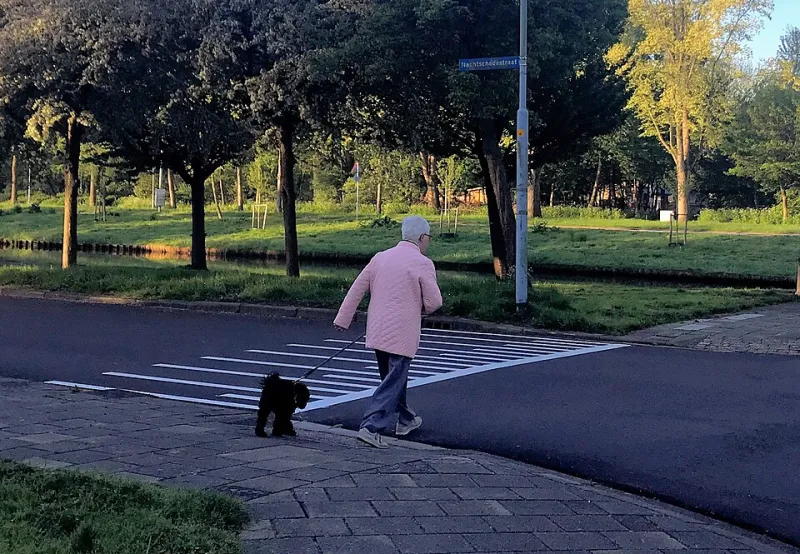
Photo: Amin, CC BY-SA 4.0, via Wikimedia Commons
There is a certain kind of January promise that arrives every year with the gym adverts: a new you, a new plan, a new direct debit. It is shiny, expensive and almost always designed to fade by the second week of February. The more useful work tends to happen earlier, in the weeks nobody is selling you anything. November is where a winter base gets built — or quietly doesn't.
Sisu is not a launch event. The Finnish idea at the heart of this site is not about dramatic reinvention or a heroic Monday morning. It is about what you keep doing when the light goes at half four, the pavement is wet, and nobody would blame you for going home. That kind of resilience is not bought in January. It is accumulated now, in a way that is almost aggressively dull.
The January machine is already warming up
You can feel it starting. Black Friday deals on leggings. Gym chains pushing early sign-up offers. The first wave of adverts suggesting that your life needs a hard reset, ideally with a monthly subscription and a branded water bottle. None of that is evil. A gym can be a good place. But the timing is off. January is sold as a beginning; in practice, it is a cold, dark month when a lot of people are tired, broke and trying to remember how normal life works again.
November is different. It is pre-season. The festive noise has not fully arrived, the year is not quite over, and there is just enough routine left to build on. If you can establish a handful of repeatable habits now, you will not need to reinvent yourself when the January sales machine starts shouting. You will already have something to return to.
The aim is not to get fit enough to survive Christmas. It is to build a base that survives January.
Boring is a training load
Most fitness advice is obsessed with novelty. New programme, new challenge, new personal best. But the body and the nervous system tend to respond well to the opposite: repetition, familiarity, a low-level expectation that this is simply what happens on a Tuesday now.
That is not a motivational slogan. It is a practical observation. The walk you do badly is the one that counts. The strength session you repeat, even when it feels too easy, is the one that builds something. The recovery slot you actually protect is the one that keeps the rest of the week from falling apart.
Sisu, in this sense, is not a personality trait. It is a pattern. It is what remains when motivation is low and the weather is grim. November is a good time to practise that pattern because the stakes feel small. There is no finish line, no leaderboard, no before-and-after photo. There is just the loop, the kettle going on afterwards, and the quiet knowledge that you turned up.
The four anchors
This is not a programme. It is a base. Four small things, repeated often enough to become ordinary.
1. A few repeatable walks
Not a step target. Not a route you have to drive to. Just a walk you can do from your own door, in the clothes you already own, in the time you actually have. Twenty minutes after work. One loop around the block before lunch. A short there-and-back to the shop that you deliberately do on foot rather than in the car.
The route matters less than the repeat. Same loop, same coat, same podcast or same silence. When the weather is bad, the decision should be almost pre-made: this is the walk. You are not choosing whether to exercise. You are choosing whether to put your shoes on.
2. One strength session
One. Not four. Not a split routine. One session a week that uses a chair, a rucksack and your own body weight. Sit-to-stands, a few press-ups against the kitchen counter, a carry from one room to another, a short plank if it suits you. Twenty minutes is plenty. The point is not to impress anyone. The point is to remind your body that it is still a body that does things.
If you miss a week, you have not failed. You have simply missed a week. The next one is next week. That is the whole system.
3. One proper recovery slot
Recovery is not the reward for doing the work. It is part of the work. Put one slot in the diary and treat it like a dentist appointment: a swim, a longer stretch, an early night with your phone in another room, a bath that is not also a scrolling session. It does not need to be luxurious. It needs to be protected.
This is where a lot of winter resilience plans quietly collapse. People add more and more movement, then wonder why they feel flat by December. Sisu includes the bit where you stop. The radiator wins sometimes. That is not a weakness; it is maintenance.
4. A social anchor
One standing point of contact with another human being. A Tuesday phone call with a mate. A Saturday coffee that survives bad weather. A Thursday text that says the same thing every week. It does not need to be a club or a community project. It just needs to be something you would notice if it disappeared.
Isolation is a winter risk factor, and resilience is not a solo sport. A social anchor is not about being relentlessly cheerful. It is about having a small, regular thread to the outside world when the evenings close in.
What to ignore
Ignore the urge to turn November into a thirty-day challenge. Ignore the fitness influencer who is already talking about their January reset. Ignore the part of your brain that says this only counts if it is hard, expensive or photogenic.
You do not need a new gym card to build a winter base. You need a loop, a kettle, a chair, a recovery slot and a person who expects to hear from you. That is not a dramatic story. It is a durable one.
The Tuesday test is simple: if the plan can survive a wet November Tuesday, it can probably survive January. By the time the adverts arrive, you will not need a new identity. You will have a pattern. That is sisu — not loud, not shiny, but still there when the light goes.