The Stop Before Yours: A Small Winter Walk With No Scoreboard
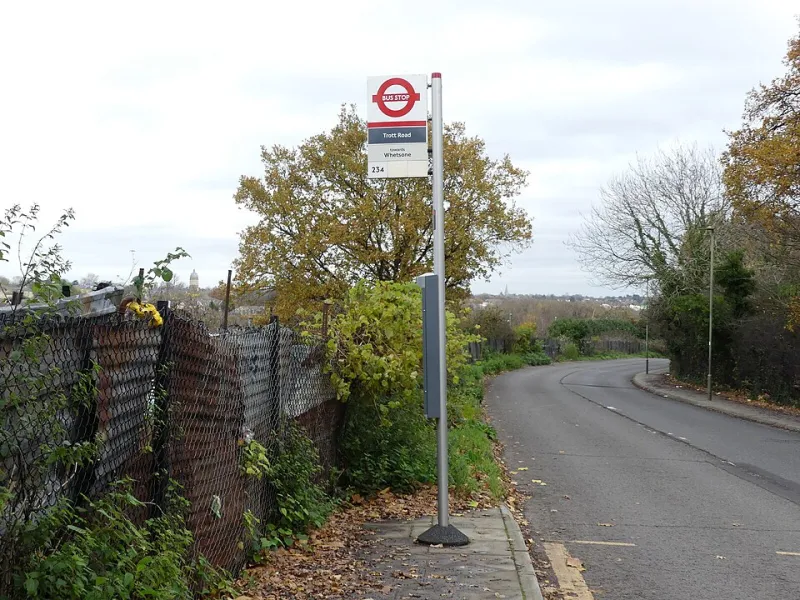
Photo: John Kingdon , CC BY-SA 2.0, via Wikimedia Commons
By half past four the sky has already packed up. The bus is warm, the windows are steamed, and the idea of walking any further than the front door feels like a personality flaw. This is the moment most winter fitness plans quietly die — not in a dramatic collapse, but in a small, reasonable decision to stay on until your own stop.
The stop-before-yours rule is a way around that. You get off one stop early. Not every day. Not as a step-count stunt. Just once in a while, when the weather is merely grim rather than dangerous, you trade the last few minutes of the bus for a short walk home. It is not a transformation. It is a small act of getting off.
The plan that dies in November
The grand winter plan usually arrives with a spreadsheet and a pair of new trainers. It has sessions in it, and targets, and a vague belief that this year you will be the sort of person who runs in the dark. Then the clocks go back, the pavements turn slick, and the whole thing starts to feel like another job you are failing at.
Sisu is often sold as a heroic trait — the gritted-teeth push through anything. But most of it is quieter than that. It is the ordinary decision to do a small useful thing once more, then stop before it turns into a punishment. The stop-before-yours rule works because it is small enough to survive a bad day. It asks for shoes, a coat and a bit of attention. That is about it.
One stop, no scoreboard
This is not about hitting 10,000 steps or closing rings. It is not a clever way to sneak exercise into a commute. It is a way to reclaim a little daylight, a little movement and a little agency in a season that can make evenings feel like something that happens to you rather than something you choose.
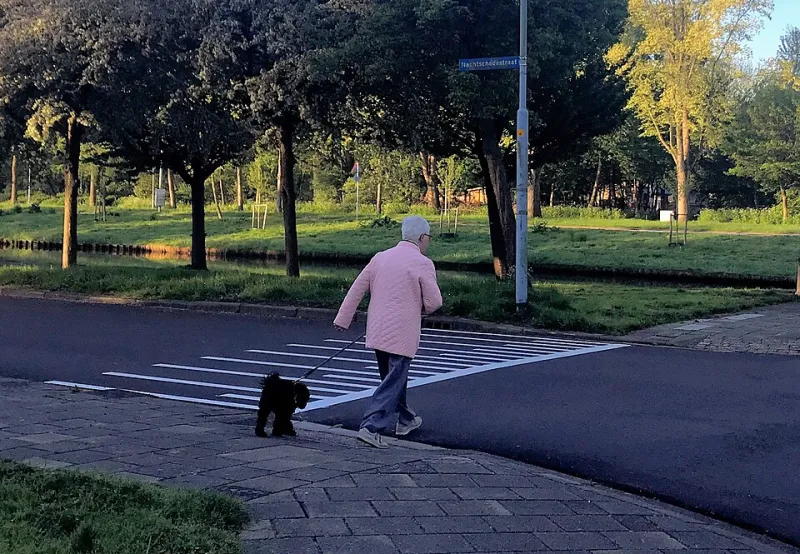
You get off at the stop before your own. You walk. You notice the street you usually only see through glass — the chip shop queue, the corner shop, the same dog being walked by the same person. You arrive home a few minutes later than usual, slightly colder, slightly more awake. That is the whole trick.
It works better than an all-or-nothing plan because it has no all-or-nothing in it. A missed day costs nothing. A rainy week costs nothing. You are not building a streak. You are building a small option that stays open.
Doing it without being daft
Dark, wet and cold is not the same as character-building. It is just weather, and you should treat it with a bit of sense.
Pick a stop with a short, well-lit walk — ten to fifteen minutes is plenty. Check the route once in daylight if you can. Wear something reflective or carry a bag with a reflective strip, charge your phone, and tell someone you are walking the last bit. Keep one ear free at crossings. If the pavements are icy, stay on the bus. If you are unwell, stay on the bus. If the rain is coming sideways, stay on the bus. The rule is not a debt you owe to your better self.
Layer up rather than dressing for a fashion shoot. A waterproof shell over a warm middle does more than any motivational podcast. Gloves matter more than you think. So does a decent hood. And if you arrive home soaked, that is not failure — that is just November.
Keep it as recovery, not homework
Once a week is plenty. Twice is generous. The moment you start tracking it, judging it or turning it into a target, it stops being recovery and becomes another thing on the list. Leave the earphones in your pocket for the last five minutes. End at the kettle, not at a spreadsheet. If it starts to feel like an obligation, cancel it for a fortnight without guilt.
The point is not to prove you are tough. The point is to remember that you can choose a small difficulty and then choose to stop. That is a skill worth having when the bigger difficulties arrive — the ones you cannot schedule around.
A rule with an exit
You are not training for anything. You are practising the small, unglamorous act of choosing. Get off one stop early this week, if the weather is merely grim rather than dangerous. Walk home. Put the kettle on. If it is not the day for it, stay on until your own stop.
The bus will still be there. So will the next chance.