The Usual and the Nod: A Winter Case for Being a Regular Down the Corner Shop
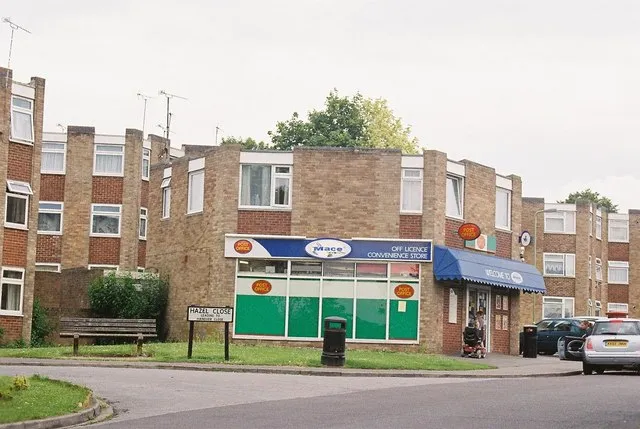
Photo: Chris Downer, CC BY-SA 2.0, via Wikimedia Commons
It is 4.45pm on a wet Tuesday in November and the sky has already given up. You are not doing anything heroic. You are buying milk, a lemon and a packet of digestives because the big shop can wait until the weekend. The person behind the counter looks up, half-recognises you, and says, 'The usual?' It is not quite the usual — you have never bought a lemon before in your life — but the question lands well. You are not a stranger. You are a person who comes in.
That is the whole idea. Not friendship, not therapy, not a community project with a funding bid. Just the small, repeated business of being known in a place you pass through anyway. In a season that narrows the world to the commute, the sofa and the delivery app, that is worth taking seriously.
A resilience skill that doesn't look like one
Sisu is often painted as a solo business: grit your teeth, lace your boots, get on with it. There is truth in that, but it is not the whole picture. Everyday endurance is usually held up by small structures — a routine, a kettle, a bus that turns up, a person who notices you exist. The corner shop is one of the least demanding structures available. It asks for a pound or two and a bit of basic manners. In return it offers a form of continuity that is easy to overlook until it is gone.
The repetition is the point. A single chat with a shopkeeper is nothing much. Six months of Tuesday evenings, however, builds a tiny layer of familiarity. They know you take semi-skimmed. You know they close early on Sundays. Nobody has to declare anything. The relationship is allowed to stay shallow, which is exactly why it can be useful when you are too tired for anything deeper.
Winter is where the small stuff earns its keep
Dark commutes do something odd to the social day. You leave in the half-light, come home in the dark, and the incidental chats that used to happen — at the bus stop, in the park, outside the school gate — thin out. Delivery apps are convenient, but they are not a social safety net. They are a transaction with a bag.
The corner shop is a low-cost third place. You do not need to book, dress up or stay for an hour. You can go in for an onion and a pint of milk and be back out in four minutes. That low bar matters in winter, when the difference between seeing another human face and seeing nobody can be a decision made in the hallway. It is not a cure for loneliness. It is one small plank. But small planks are how most people get across a wet week.
There is also a practical side. A good local shop is a tiny information exchange. The noticeboard tells you about a missing cat, a church coffee morning, a change to the bin collection. The person behind the till might mention that the road is flooded or that the pharmacy has finally got the prescription in. None of it is dramatic. All of it is the sort of low-level neighbourhood intelligence that makes a place easier to live in.
Don't turn it into a wellbeing project
Here is where it can go wrong. You read an article like this, decide to become a Regular, and march into the shop with the energy of a man starting a new gym membership. You ask the shopkeeper how they are, then how their mother is, then whether they have considered a loyalty scheme. You linger by the crisps. You treat the till as a counselling chair. This is not being a regular. This is being a nuisance with a wellbeing plan.
The best regulars are undemanding. They buy what they need. They say thanks. They read the room. Some shopkeepers are chatty; some are not. Some days the shop is quiet; some days there is a queue to the door and the last thing anyone needs is a conversation about the weather. The skill is in matching the temperature. A nod is enough. A 'morning' is enough. You are not there to extract a moment of connection. You are there to buy a lemon.
How to be a good regular without making a thing of it
Go at roughly the same times if it suits your life. Repetition does most of the work, so there is no need to force it. Buy something small and pay for it. Learn the rhythm of the place — when it is busy, when it is quiet, where the queue starts. Use names if they use yours, but do not demand a first-name basis. Notice the noticeboard and mention the missing cat once, because that is what neighbours do. Bring your own bag if you can. Do not block the door with your bike. If you see a spill, tell someone instead of stepping over it.
And keep it light. The corner shop is not the place to unload the full weight of your winter. It is the place to be a familiar face. That is a modest ambition, and modest ambitions are the ones that survive a cold snap.
The noticeboard knows more than you think
There is a particular kind of reassurance in seeing the same handwritten card in the window for three weeks. The missing cat. The room to rent. The advert for a guitar teacher who has clearly not updated his prices since some time before the pandemic. These scraps are a reminder that you live somewhere, not just commute through it. They are unglamorous, and that is why they work.
Sisu is not always a mountain. Sometimes it is a small, repeated act of participation in the place where you happen to be. You do not have to love your neighbourhood. You do not have to join a committee. You just have to show up often enough that the person behind the counter knows your face and you know theirs. That is not a wellness hack. It is just what a functioning local life looks like.
So this winter, before you open the delivery app, put your coat on and walk to the corner. Buy the milk. Say the thing. Come back next week. The usual is not a slogan. It is a small proof that you are still here, and that someone has noticed.