The Long Way Back with the Shopping: Everyday Endurance for Dark Evenings
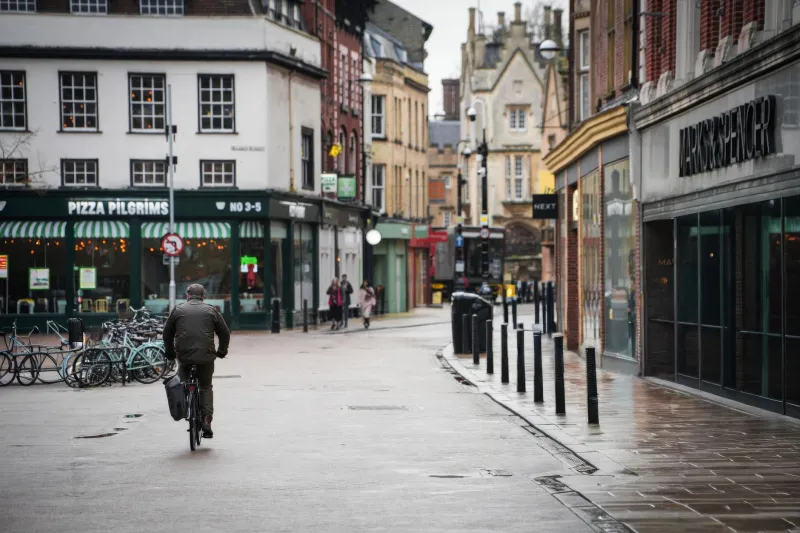
Most endurance plans start with a spreadsheet and end with a missed session. The corner-shop version starts with an empty fridge and a drizzle that cannot make up its mind. You need milk, bread, maybe pasta. The walk is short. It is also a place to practise the least glamorous part of sisu: doing the ordinary thing properly, without making it a personality.
Sisu gets used as a synonym for grinding through. That is only half the story. The Finnish idea is less about heroics than about a steady internal reserve — the capacity to keep going when the weather, the timetable and your own motivation are all mediocre. That reserve is not built only in gyms or on race days. It is built in the gap between the sofa and the shop, in the loaded walk home, in the stairs you could avoid but choose not to.
The interval you already have
An interval does not need a track or a watch. It needs a start, a finish and a bit of honest effort in between. The corner-shop run has all three. You leave the flat. You cover a distance. You come back with something useful. If you normally drive or order in, walking it once a week is a modest change with a surprisingly long tail.
The aim is not to turn every errand into a workout. The aim is to notice that ordinary movement counts. A ten-minute walk to the shop and back is twenty minutes of low-level endurance work, plus a small load on the way home. Done regularly, it builds the kind of base that makes bigger efforts feel less alien. It also gives you a reliable answer to the question: what can I do today that is not nothing?
Load, posture and the honest bag
The loaded bag is the useful bit. Not a heroic rucksack, not a fortnight's shop — just the milk, the potatoes, the tin of tomatoes. Carry it with some care. Split the weight between both hands if you can. Keep your shoulders relaxed rather than shrugged up by your ears. Walk at a pace you could hold for a bus you are not quite trying to catch.
Posture matters less than you think, but it is not irrelevant. Stand tall enough to breathe. Let your arms swing when they are not carrying. If one bag is heavy, swap sides before your shoulder starts writing complaints. On stairs, use the whole foot rather than the toes, and take the last few steps without leaning on the rail. These are small things. Small things repeated are how everyday endurance gets built.
You do not need to track it. A rough note on the calendar — walked to shop, carried shopping, took long way back — is enough. The point is not data. The point is evidence that you are the sort of person who does ordinary movement on ordinary days.
Weather is part of the kit
In the UK, waiting for good weather is a hobby with poor returns. November gives you dark afternoons, wet pavements and a wind that finds the gap in your coat. None of that is a reason to abandon the errand. It is a reason to dress for it.
A waterproof layer beats an umbrella on a windy high street. Shoes with some grip are better than shoes that look nice on the way out and treacherous on the way back. Gloves are not a luxury in a cold snap; they are the difference between a pleasant walk and a punishment. If it is genuinely foul, shorten the route. Sisu is not a competition in suffering. It is the ability to adapt without packing the whole thing in.
There is also the light. By mid-November, the afternoon has already begun to close. Choose the brighter part of the day if you can. If you cannot, wear something visible and stick to pavements you know. The corner shop is not an expedition, but a little preparation keeps it from becoming a chore you dread.
When a milk run is just a milk run
Here is the unsentimental bit: not every errand is training. Some days you are ill, exhausted, carrying too much already, or late for something that matters. On those days, the milk run is just a milk run. You go, you buy the milk, you come home. That is not a failure of sisu. It is judgement.
The distinction is simple. If you are tired but basically well, a short walk may help. If you are running a temperature, limping, or still recovering from something, the brave choice is often the smaller one. Resilience includes knowing when to stop. The people who last are not the ones who never miss a session. They are the ones who can tell the difference between a low mood and a warning sign.
A small plan for this week
Pick one errand you would normally drive or order. Walk it instead, once. Take a bag that can hold the shopping without cutting into your hands. Go at a pace that lets you breathe through your nose. On the way back, take the long way round the block if the weather is tolerable. If it is not, go straight home. Either way, notice that you did something.
Do it again next week if it felt useful. If it did not, adjust it. Shorter route, lighter bag, better shoes. The corner-shop interval is not a programme. It is a way of using the life you already have. Sisu is often described as a kind of inner fire. More often, it looks like this: a coat, a bag, a wet pavement, and the quiet decision to walk back the long way.