The Four-Minute Repair: Why the Boil Is Part of the Work
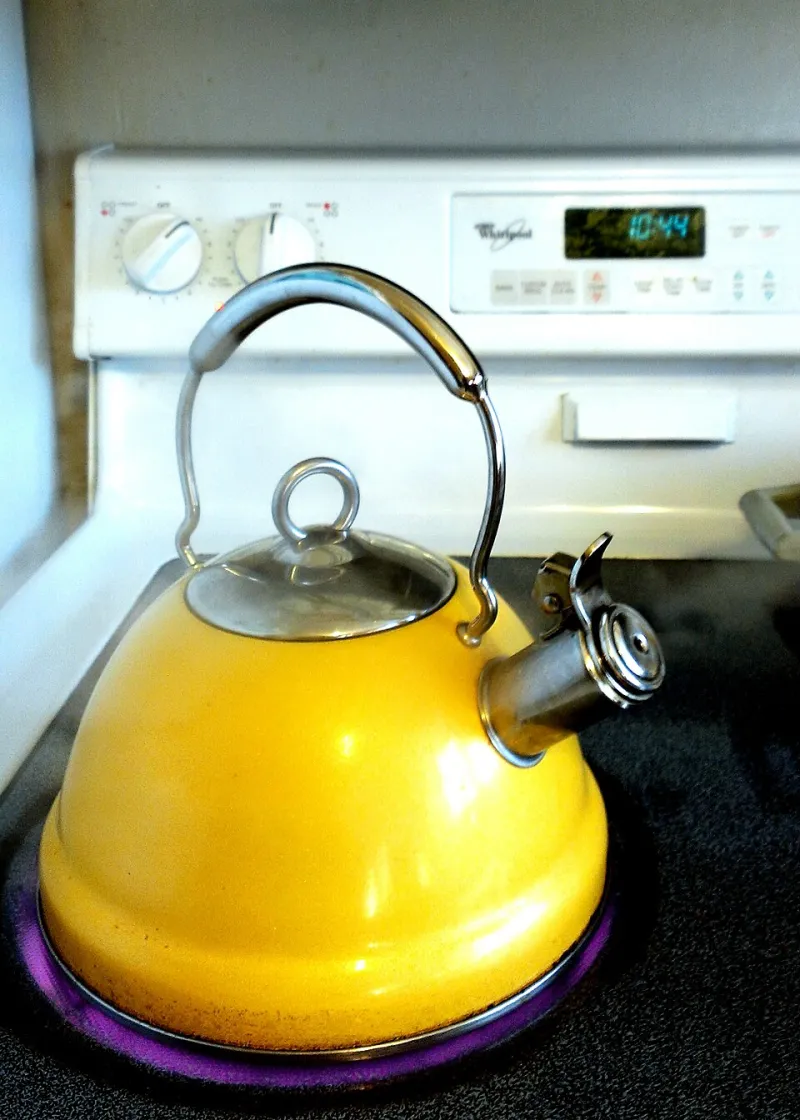
Photo: User:Ragesoss, CC BY-SA 3.0, via Wikimedia Commons
There is a particular kind of British optimism in putting the kettle on when things are going badly. It is not denial. It is a small act of order. The mug comes down, the water goes on, and for four minutes nobody is expected to solve anything. That pause is not a reward for finishing everything. It is a repair between two hard things, and it is one of the most repeatable resilience tools we have.
Sisu gets misread as a stiff upper lip with better PR. In practice, everyday endurance is rarely one heroic push. It is a series of small, unglamorous resets: the walk to the shop, the breath before the meeting, the four minutes while the kettle boils. The Finns would not call this indulgence. They would recognise the pattern. You do not keep going by pretending you are not tired. You keep going by building places to put the tiredness down.
The kettle is not a medal
Most of us treat tea as punctuation at the end of a sentence. Finish the call, then tea. Finish the emails, then tea. Finish the day, then tea. That is a mistake, because it makes rest conditional on completion, and completion is a moving target. There is always one more message, one more load of washing, one more small fire to put out.
A better arrangement is to make the kettle a checkpoint. It sits between two committed blocks of effort, not after all effort has ceased. The commute and the first hour of work. The school drop-off and the supermarket. The difficult phone call and the next one. Four minutes is short enough to be realistic and long enough to change your state if you actually use it.
This is not about pretending a brew fixes anything. It does not pay the bill or mend the relationship or make the dark mornings less dark. What it does is create a predictable gap. In that gap, your shoulders can come down, your jaw can unclench, and your nervous system can catch up with your diary. That is not softness. It is maintenance.
Rules for a restorative four minutes
A tea break can restore you or it can become another form of avoidance. The difference is usually in the details. These rules are not sacred, but they are useful.
Stand up while the kettle boils. Do not use the four minutes to scroll. Do not open the laptop. Do not start a second screen-based task. The point is to change posture and attention, not to cram in more input. If you are at home, walk to the window. If you are in an office, go to the kitchen and leave your phone at your desk.
Make the drink properly. This sounds trivial, but the ritual matters. Warm the mug if you can be bothered. Let the tea brew rather than dunking the bag twice and hoping for the best. The care you take over a small thing is a reminder that you are allowed to take care of yourself in ordinary ways.
Notice one physical thing. Before the first sip, check your shoulders, your jaw, your grip. Most of us carry tension in the same three places. You are not trying to relax on command. You are simply noticing what is actually there. That small act of attention is the difference between a break and a pit stop.
Return with one sentence. Before you go back to the hard thing, say to yourself what you are going back to do. Not the whole day. The next small action. "Open the spreadsheet and check the first three rows." "Call the client back and ask one clarifying question." The kettle has done its job if you re-enter with a narrower focus.
When tea becomes hiding
There is a version of the tea break that is not recovery at all. It is the third brew in an hour, made while the difficult email sits unsent. It is the kettle used to delay a conversation you know you need to have. It is the mug held like a shield.
You can tell the difference by what happens afterwards. A restorative break leaves you slightly more able to begin. An avoidant break leaves you more reluctant, more foggy, more inclined to make another cup. If you notice the second pattern, do not turn it into a character flaw. Just name it. "I am making tea because I do not want to start." Then make a smaller start. Send one line. Open one document. The tea can still happen, but it should not be the thing you hide behind.
Built for dark mornings and back-to-back calls
In November, the case for the four-minute checkpoint gets stronger. The light goes early. The commute is colder. The gap between the alarm and the first demand feels shorter than it should. This is exactly when people start treating rest as something they will get to later, and later rarely arrives.
Put the kettle between the hard things instead. Between the cold walk to the station and the first meeting. Between the school run and the inbox. Between two calls that both require you to be patient and precise. You are not asking for a spa day. You are asking for four minutes of ordinary repair, repeated often enough to matter.
The kettle is a coach because it does not motivate you. It structures you. It says: stop here, briefly, then go again. That is not a grand philosophy. It is just a decent way to get through a British winter without pretending you are made of iron. Sisu is not the absence of fatigue. It is the intelligent management of it, one brew at a time.