Silence Is Not Sisu: Why British Resilience Needs a Recovery Plan
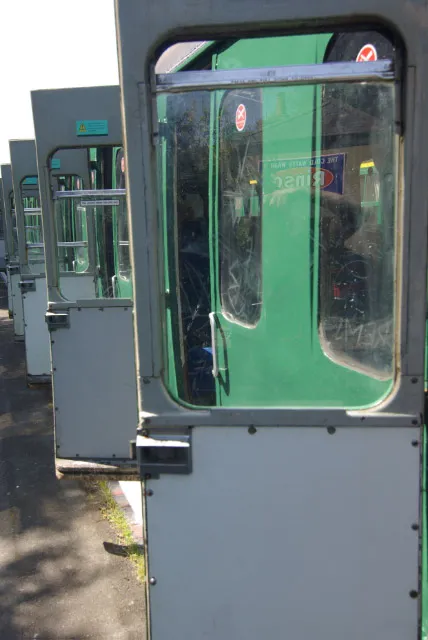
Photo: Stephen McKay, CC BY-SA 2.0, via Wikimedia Commons
There is a particular kind of British pride in saying nothing. The train is packed, the carriage smells of wet coats, someone is coughing into their sleeve, and everyone stares at the same patch of window. We call this getting on with it. We call it resilience. Sometimes we call it sisu, which is a bit like calling a rainy Tuesday a Nordic adventure.
Sisu is a Finnish word, and like most borrowed words it has been flattened in translation. In Britain it often arrives as a poster slogan: grit, guts, never quit. That is not wrong so much as incomplete. The Finnish concept is less about performing toughness and more about finding a way through when things are genuinely hard. It can be stubborn. It can be quiet. But it is not the same as a stiff upper lip, and the difference matters, especially in November.
The Stiff Upper Lip Is a Performance
The stiff upper lip is a useful cultural shorthand for not making a fuss. It has its virtues: it keeps the peace in shared queues and shared kitchens. But it also teaches us to hide the evidence of struggle. We log on to work with a temperature because someone else might be worse off. We sit in an NHS waiting room for three hours and apologise for taking up a chair. We cancel the swim because it is dark and cold, then tell ourselves we are being sensible. That is not endurance. That is drift.
The British version of resilience often rewards the appearance of coping rather than the reality of it. Presenteeism is the clearest example. The colleague who never takes a sick day is quietly admired, even when they are spreading flu through the office and doing half their usual work. The commuter who stands for forty minutes with a bad back is praised for not complaining, as if a seat would have been a moral failure. We have built a culture where suffering is acceptable as long as it is not mentioned.
What Sisu Actually Gets Right
At its best, sisu is a refusal to let difficulty have the final word. It is the decision to take one more step, to send the email, to leave the house, to finish the shift. It overlaps with stoicism in that it values composure and the ability to tolerate discomfort. But Finnish sisu is not usually framed as a private performance. It sits alongside a culture that takes recovery seriously: sauna, breaks, walking, time outdoors, and the basic expectation that people need support to keep going. The point is not to suffer silently. The point is to keep moving without pretending the load is light.
This is where the British stiff upper lip diverges. Sisu asks you to endure, but it does not ask you to disappear. It allows for the possibility that the strongest move is to say: this is too much, I need a hand. That is not a soft interpretation. It is a practical one. You cannot keep going for years if you treat every warning sign as weakness.
Where the British Version Goes Wrong
Packed commutes are a small theatre of this problem. We stand when we should sit. We travel when we should stay home. We tell ourselves the cold is not that bad, the headache will pass, the cough is just a cough. Then we arrive at work depleted and spread the misery around. Somewhere along the line, endurance became confused with exposure.
NHS waiting rooms tell a similar story. There is stoicism in waiting patiently, but there is also a limit. People often wait too long before asking for help, not because they are brave but because they have been trained to believe that needing help is a burden. Dark afternoons do the same thing in a quieter way. We cancel plans, skip the walk, retreat under a blanket, and call it conserving energy. Sometimes that is exactly right. Sometimes it is avoidance wearing a sensible coat.
Workplace presenteeism is the most expensive version. A person who pushes through illness is not showing sisu. They are showing that their workplace has failed to make rest safe. Real everyday endurance includes knowing when to stop, take the sick day, hand over the task, and come back able to do the job properly.
Recovery Is Not the Opposite of Grit
Recovery is part of the same system as effort. Asking for help is a skill. Knowing when to stop is a skill. Sleep, food, daylight, a conversation with a friend, a sick note, a shorter run, a cancelled commitment: these are not defeats. They are how you stay in the game. Sisu without recovery becomes burnout with better branding.
The more honest version of British sisu would sound less like a war cry and more like a plan. It would mean naming your limits before they name you. It would mean telling one person at work that you are not coping, rather than performing competence until you collapse. It would mean leaving the gym early when your knee hurts, rather than finishing the session to prove a point. It would mean sitting down in the NHS waiting room without apologising for existing.
A More Honest Everyday Sisu
If you are on a packed commute and feel ill, get off at the next stop. If you are in a waiting room and the delay is unreasonable, ask how long it might be. If you are at work and the inbox is winning, state your limit out loud. If the dark afternoon is flattening you, plan one small thing that gets you outside before the light goes, even if it is just a walk to the bins and back.
None of this is dramatic. That is the point. Sisu is not a stiff upper lip. It is a steady hand on your own shoulder. It is the decision to keep going, yes, but also the wisdom to stop before keeping going becomes the whole problem. In Britain we have spent a long time confusing silence with strength. A better version of resilience would make room for both grit and recovery, and would stop asking people to prove their endurance by pretending they do not need anyone.