Resilience Is Built Between Platform Delays
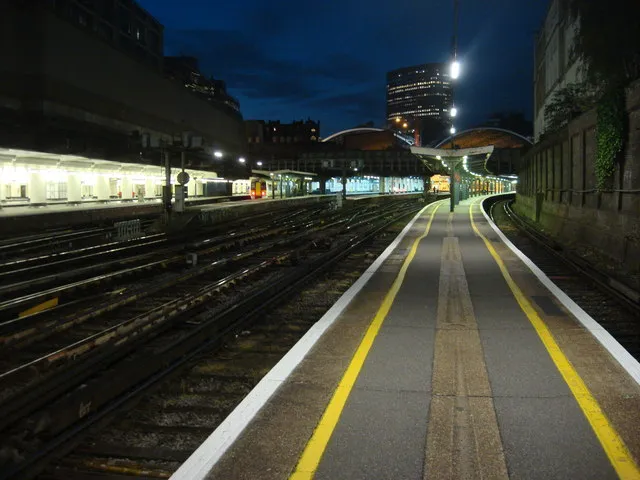
Photo: Oxyman, CC BY-SA 2.0, via Wikimedia Commons
At 7:42 on a Monday morning, the platform has the atmosphere of a mild siege. The board says the train is on time, then it says it is delayed, then it says it is cancelled. A man in a waterproof jacket is standing under the shelter with the patience of someone who has done this before. A woman is trying to balance a coffee and a phone. The rain is coming in sideways, as if it has a personal grievance. Nobody is doing anything heroic. And yet, if you look closely, you can see a quiet endurance sport being played out in the fluorescent light.
I have come to think of the commute as the most honest training ground for sisu. Not the dramatic version, the one with mountains and cold water and motivational captions. The ordinary version: the repeated effort of getting up, getting out, and getting through. Crowded platforms, delayed trains, standing in the rain, the low-level negotiation of other people’s elbows and bags. It is not glamorous. It is not a story you would tell at dinner. But it is where a lot of resilience is actually built.
The endurance sport nobody trains for
Most endurance sports have a training plan. The commute has a timetable, which is not the same thing. You do not warm up. You do not taper. You do not get a medal for arriving at work with your temper intact. You just do it again on Tuesday, and Wednesday, and Thursday. The load is small but cumulative: the early alarm, the standing, the noise, the constant low-grade vigilance about whether you will make the connection. By Friday, the body has been in a mild state of alert for days.
The mistake is to treat this as dead time. It is not. It is a daily dose of ordinary effort, and like any training load, it requires recovery. If you spend the whole journey in a state of low-level stress — scrolling, checking emails, rehearsing an argument, refreshing the delay board every thirty seconds — you arrive at your desk already spent. The commute has taken its toll before the day has begun. Sisu is not about absorbing that toll without complaint. It is about finding ways to recover inside the journey, rather than waiting for the weekend to rescue you.
Micro-recoveries are the training
A micro-recovery is exactly what it sounds like: a small, deliberate downshift. It does not need to be a meditation app or a breathing exercise if that makes you cringe. It can be as simple as sitting down when a seat appears, instead of standing out of habit. It can be putting your headphones on and listening to one album from start to finish, rather than letting the algorithm pick a fight with your nervous system. It can be standing near the door of the carriage and feeling your feet on the floor for the length of one station.
The point is not to turn the commute into a wellness retreat. The point is to interrupt the accumulation of stress. You cannot control the delay board. You can control whether you spend the delay in a state of clenched frustration or in a state of mild acceptance. That shift sounds small. Over a week, it is not. Over a year, it is the difference between arriving at Friday fried and arriving at Friday with something left.
Practical micro-recoveries for a British commute are unglamorous by design. Leave a buffer of one train earlier than you need, if you can, so that a delay is an inconvenience rather than a crisis. Decide in advance that you will not open work email until you are seated, or until the train has left the station. Carry water. Wear the coat that actually keeps out rain, not the one that looks good in the hallway. If the train is cancelled, give yourself thirty seconds to be annoyed before you start problem-solving. These are not heroic acts. They are the maintenance work of everyday endurance.
The myth of the weekend reset
We have a bad habit of treating the weekend as the only legitimate recovery time. Five days of load, two days of rest, repeat. It is a fragile arrangement. It assumes that the week is something to be survived and the weekend is something to be earned. It also puts a lot of pressure on Saturday. One lie-in, one walk, one roast dinner, and you are supposed to be restored. If the weekend is rainy, or busy, or full of admin, the whole system wobbles.
Building recovery into the commute is a way of spreading the load. It is not a cure for a bad job, an exhausting caring role, or a difficult season of life. But it is a small act of agency. You are saying: this journey is part of my day, not a gap between real life. I can choose one thing that makes it slightly less wearing. That is not toxic positivity. It is practical sisu.
What resilience looks like in a fluorescent-lit carriage
The Finnish concept of sisu is often described as gritty determination, but the more useful version for a Tuesday morning is quieter. It is the person who gets through the week without making it worse for themselves. It is the commuter who gives up a seat to someone who needs it, not because they are a saint, but because they have decided that small kindnesses are part of the journey. It is the person who stands in the rain and does not take it out on the ticket inspector. It is the ordinary repeated effort of turning up.
Community matters here. The commute is a shared endurance event, even if nobody speaks. The unwritten rules — let people off first, don’t block the doors, move down the carriage — are a form of collective recovery. When they break down, everyone’s journey gets harder. When they hold, the whole thing becomes slightly more bearable. Sisu is not only an individual trait. It is also a set of habits that make ordinary life possible for the people around you.
A commute recovery plan that fits in a pocket
You do not need a new routine. You need one anchor. Before you leave the house, decide on a single micro-recovery for the journey. It might be: no email until I am seated. It might be: one track of music before I look at my phone. It might be: stand near the door and breathe for one stop. It might be: if the train is late, I will read two pages of a book rather than refresh the board. Pick one. Do it for a week. If it helps, keep it. If it does not, choose another.
Then build a transition at the other end. The commute does not end when you walk through the office door or sit down at the kitchen table. Give yourself two minutes to arrive: take your shoes off, put the kettle on, look out of the window. It is not a ritual to post about. It is a signal to your nervous system that the journey is over and the next part of the day can begin.
The 07:42 will still be crowded. The rain will still come in sideways. The delay board will still lie. But the way you carry it can change. That is where sisu lives — not in the grand gesture, but in the small, repeated decision to recover as you go.